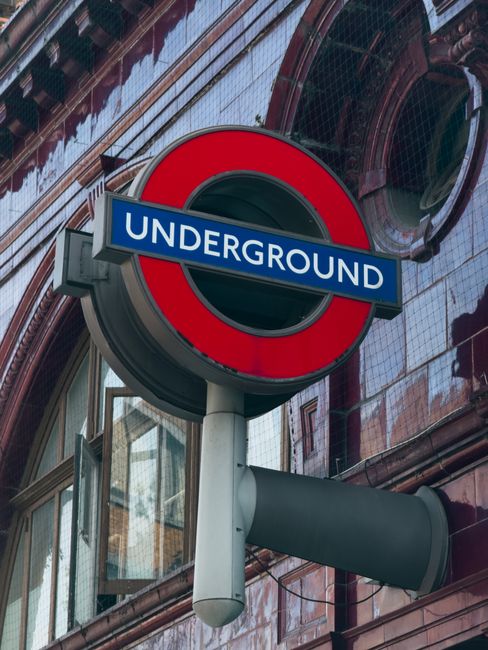
Tufnell Park tube station removals guide for N19 moves

If you are moving near Tufnell Park tube station, you already know this part of N19 can be a bit of a mixed bag: handsome Victorian terraces, tight side roads, busy stretches of Fortess Road, and the usual London realities of parking, timing, and carrying boxes up more stairs than you expected. This Tufnell Park tube station removals guide for N19 moves is here to make the whole thing feel manageable. Whether you are leaving a flat above a shop, settling into a family home, or juggling a quick same-day move, the aim is simple: reduce stress, avoid wasted time, and keep your belongings safe.
In the sections below, you will find a practical walkthrough of how local removals tend to work around Tufnell Park, what to plan for, where the common snags are, and how to choose the right kind of moving support. A lot of the headache is avoidable, truth be told. A little structure goes a very long way.
Why Tufnell Park tube station removals guide for N19 moves matters
Moves around Tufnell Park are not difficult because of distance. They are difficult because of detail. N19 has the kind of streets where a van can stop comfortably for ten minutes and then suddenly not at all, where a corner feels easy on foot but awkward with a sofa, and where a poorly timed loading window can turn a calm morning into a scramble. That is why a removals plan for this area matters so much.
Near the station, you are often dealing with a blend of residential streets and commuter traffic. Add in basement flats, top-floor walk-ups, narrow staircases, and the occasional awkward turn, and you get a move that rewards preparation. A proper removals approach is not just about lifting and carrying. It is about sequencing, access, parking awareness, and making sure the team, the vehicle, and the property all fit together on the day.
For many people, the difference between a smooth move and a long, frustrating one comes down to one question: have you planned for the local environment? If the answer is yes, you are already ahead.
Expert summary: The most successful N19 moves are usually the ones that treat access, packing, and timing as a single job. Not separate jobs. One plan, one timeline, one clean handover.
How Tufnell Park tube station removals guide for N19 moves works
At its core, a local removal near Tufnell Park tube station follows the same basic pattern as most London moves, but with more attention to access and timing. First comes the survey or quote stage. Then packing and preparation. Then the moving day itself, which usually includes loading, transport, unloading, and a bit of careful problem-solving when reality does what reality always does.
The ideal process starts with understanding the property type. A one-bedroom flat near the station may need a very different setup from a three-bed house further into N19. A smaller job may suit a flexible man and van service, while a larger household move may be better handled through house removals or a more comprehensive removal services package.
For flat residents, especially in converted buildings, stair width and lift access matter a lot. If you are moving out of an upper-floor apartment, consider whether flat removals would better match the access conditions. If the move involves furniture that is bulky, heavy, or a bit sentimental in the way only one old wardrobe can be, then you may also want support from furniture removals.
There is also the vehicle question. Smaller streets near the station can make a compact removal van a sensible choice, while larger households or offices may need a moving truck or even removal truck hire. It sounds obvious, but too many moving days go sideways because the vehicle size was guessed rather than planned.
And yes, packing matters more than people think. Good boxes, labelled clearly, make the unloading phase faster and calmer. If you want to take the guesswork out of it, packing and boxes support can help keep fragile items, books, cables, and kitchenware under control.
Key benefits and practical advantages
There are a few real advantages to approaching a Tufnell Park move with a proper removals plan rather than doing it in a rush.
- Better access planning: Local routes, loading space, and stair access can be factored in before moving day.
- Less damage risk: The right packing and lifting approach protects furniture, walls, and your back. Let's be honest, your back will thank you.
- Faster turnaround: A prepared move usually means less time standing around waiting for the next box or missing key items.
- More predictable costs: Clearer planning usually reduces last-minute extras and delays.
- Less emotional drain: Moving is tiring enough without wondering where the kettle, Wi-Fi router, or the important documents have gone.
For smaller relocations, using a flexible local team can be especially handy. For example, student tenants or first-time renters often benefit from student removals because the service matches modest loads and tighter budgets more naturally. Commercial tenants may need a different rhythm altogether, with commercial moves or office removals planned outside peak hours to keep disruption down.
A move near the tube station is often about minimising friction. That is the real advantage. Not glamour. Just a cleaner, calmer day.
Who this is for and when it makes sense
This guide is useful if you are moving in or out of N19 and want a realistic picture of what the process involves. It suits different kinds of movers:
- Flat tenants who need help with stairs, tight hallways, or limited parking.
- Homeowners looking for a dependable local moving plan.
- Students moving between term-time accommodation and storage.
- Small businesses shifting desks, files, and equipment.
- Anyone with large furniture such as sofas, wardrobes, dining tables, or a piano.
It is especially useful when the move has timing pressure. Maybe you have to be out by midday. Maybe the new keys are not ready until later. Maybe you are doing the classic London dance of one move out, one move in, and a lot of waiting around with bin bags and a tote full of chargers. In those moments, a good removals plan matters more than ever.
If you are downsizing, decluttering, or temporarily between homes, it may also be worth looking at storage. That extra breathing room can take a huge amount of pressure off a move. One less decision on the day, which is no bad thing.
Step-by-step guidance
Here is a sensible way to handle a move near Tufnell Park tube station without making it harder than it needs to be.
- Take stock of what is actually moving. Walk through every room and separate essentials from non-essentials. Be ruthless, but fair. Old boxes, cables, duplicate kitchen gear, and broken furniture can quietly eat time and space.
- Check access before the quote. Measure stairs, note floor level, look at entrance width, and think about where a vehicle can stop safely. If there is a loading issue, mention it early.
- Choose the right moving support. A small flat move may suit a man with a van style arrangement, while a larger move may call for fuller support from removals or a dedicated team.
- Pack by room, not by mood. Group items clearly. Label boxes with both room and contents. Kitchen, books, clothes, bathroom. Simple works best.
- Prepare a first-night box. Kettle, chargers, toiletries, snacks, toilet roll, bedding, a change of clothes. You will be glad you did.
- Protect valuables and awkward items. Mirrors, TVs, artwork, and delicate lamps need extra care. If the item is unusually heavy or valuable, discuss it before moving day.
- Confirm timing and keys. In London, delays around handover times happen. Keep everyone in the loop so the schedule does not drift.
- Do a final sweep. Check cupboards, loft spaces, behind doors, under beds, and the fridge. The oddest things get left behind. Always.
For some households, especially those with mixed loads, it makes sense to combine packing help with moving help. That is where packing and unpacking services can save an enormous amount of time and mental energy. The difference is surprisingly noticeable once the last box lands in the right room.
Expert tips for better results
These are the little things that tend to separate a merely acceptable move from a really smooth one.
- Book around the local rhythm. Early starts are often kinder in busy London streets, especially near the station where foot traffic and cars can stack up.
- Use one packing rule and stick to it. For instance: heavy items in small boxes, light items in large boxes. It sounds basic. It works.
- Keep screws and fittings together. Tape them to the furniture or place them in a clearly labelled bag.
- Photograph cable setups. You will not remember how the TV, modem, and speaker leads were arranged. Nobody does, not really.
- Tell movers about awkward items early. Narrow stairs, gym equipment, antique pieces, and pianos need proper planning.
- Protect doorframes and corners. Small bits of protection can prevent annoying scuffs in both the old and new place.
If your move involves more specialist pieces, such as upright instruments, it is worth speaking about piano removals before the day arrives. That sort of item is not something you improvise with a shrug and a spare duvet.
One more thing: label the box you will need first. Not just "miscellaneous". That word is a trap. Put the tea, the kettle, the phone charger, and the house keys in one place. Future-you will be grateful, possibly deeply grateful.
Common mistakes to avoid
Most removal problems near Tufnell Park are not dramatic. They are small mistakes that snowball.
- Underestimating access. A van may be close by, but if the route from vehicle to flat is awkward, time disappears quickly.
- Packing too late. Last-minute packing usually means weaker labels, more breakages, and higher stress.
- Using the wrong vehicle size. Too small means multiple trips. Too big can be awkward on narrow streets.
- Forgetting disposal or unwanted items. If you are clearing out old furniture, look into furniture pick up rather than leaving it until the final hour.
- Ignoring insurance and safety details. This matters more than many people realise. Ask what is covered and how items are handled.
- Not allowing for delays. Traffic, key handovers, and building access can shift the day by an hour or two. Build in slack.
Commercial clients make their own version of these mistakes too, especially when moving desks, files, and IT kit without a proper sequence. If your move is business-related, a structured office relocation services approach is often safer than trying to wing it between meetings. And to be fair, "winging it" is rarely a strong moving strategy.
Tools, resources and recommendations
You do not need a van full of fancy kit to move well, but a few practical tools make life easier.
- Strong double-walled boxes for books, dishes, and mixed household items.
- Packing tape and labels for clear room-by-room organisation.
- Furniture blankets and straps to protect larger items in transit.
- Basic toolkit for beds, shelves, and flat-pack furniture.
- Cleaning supplies for the final sweep of the old property.
- Temporary bags or crates for essentials you need to keep close at hand.
If you are comparing moving support options, it can help to think in terms of job size rather than just price. A small clear-out might suit man with van support. A larger house move may need a bigger team and a fuller vehicle plan. If you are shifting equipment rather than furniture, removal van or moving truck options may be more appropriate. There is no prize for overcomplicating it.
For business customers, the right route may be a full-service office removals package, while those moving between halls, flats, or shared houses may want the simplicity of student removals. Different lives, different moving patterns.
Law, compliance, standards, or best practice
For a local move, you do not usually need to worry about complex legal processes, but there are still important best-practice points. Parking, loading, access, and public safety all matter. If a vehicle needs to stop on a busy road or near a tight corner, it should be done with care and in line with the rules that apply locally. That is especially important around stations where pedestrians, cyclists, buses, and delivery traffic all mix.
Reputable movers should be able to explain their approach to safety, handling, and liability in clear English. If you are comparing providers, check whether they have clear information on insurance and safety and whether they publish a sensible health and safety policy. Those pages are not just formalities; they show whether the business thinks carefully about the work rather than treating it as a rushed lift-and-go job.
It also helps if pricing is transparent. A strong provider should explain what is included, what may count as an extra, and how the quote is built. If you need to compare options, see the company's pricing and quotes information. Clear pricing is one of the best signals of a properly run service. It is simple, but important.
On the wider responsibility side, you may also want to review policies such as recycling and sustainability and terms and conditions. These pages can help you understand how waste, item handling, payment, and service boundaries are managed. That sort of clarity saves arguments later, and nobody wants those on moving day.
Options, methods, or comparison table
Choosing the right removals method near Tufnell Park is often about matching the service to the property and the load. Here is a practical comparison.
| Option | Best for | Strengths | Watch-outs |
|---|---|---|---|
| Man and van | Small flats, light moves, student loads | Flexible, usually quick to book, good for modest volumes | May be limited on larger furniture or full-house moves |
| Flat removals | Apartment moves with stairs or tight access | Built around local access issues and compact loading | Can still need good planning if parking is restricted |
| House removals | Family homes and larger domestic moves | Better for full-room loads and multiple bulky items | Needs stronger scheduling and packing discipline |
| Office removals | Business relocations and equipment moves | Helps reduce downtime and manage equipment carefully | Often requires tight timing and clear internal coordination |
| Storage plus move | Staged moves, renovations, temporary gaps | Useful when dates do not line up cleanly | Costs and access need to be factored in early |
If you are unsure which route fits, start by asking a simple question: how much are you moving, and how awkward is the access? That tends to cut through most of the noise.
Case study or real-world example
Consider a typical N19 flat move near the station. Two people are leaving a second-floor apartment with one sofa, a bed frame, about twenty boxes, and a bicycle. Nothing extreme. But the staircase is narrow, the street parking is tight, and the keys to the new place are due later in the afternoon.
In this kind of move, the best outcome usually comes from a few simple choices. The movers arrive early, the boxes are labelled by room, the sofa is wrapped before it leaves the flat, and the loading route is checked before anything heavy is moved. A compact vehicle makes the street easier to manage. The first box off the van is the essentials box. Everyone breathes easier.
Now compare that with a less prepared version of the same move. Boxes are half-packed, no one knows where the screws are for the bed, the parking spot is assumed rather than checked, and the kettle ends up buried at the bottom of the last box. That move is not doomed, obviously, but it is going to feel longer, messier, and a lot less pleasant.
The small difference between those two outcomes is planning. Not luck. Planning.
For homes rather than flats, the picture changes a bit. A family move may need home moves support with a larger team, better furniture protection, and more careful sequencing. That extra structure helps when the day includes children, pets, or a mixture of furniture and boxes that seems to multiply overnight. It always does, somehow.
Practical checklist
Use this checklist before your move near Tufnell Park tube station:
- Walk through the property and list everything that is moving.
- Confirm whether the property is a flat, maisonette, or full house.
- Measure stairs, doorways, and any tight turns.
- Check where the vehicle can safely stop.
- Choose the right service level for your move size.
- Gather boxes, tape, labels, and wrapping materials.
- Pack an essentials box for the first night.
- Separate items to store, donate, recycle, or dispose of.
- Tell the removals team about fragile or awkward items in advance.
- Confirm time windows, keys, and contact details the day before.
- Keep valuables and documents with you personally.
- Do a final check of cupboards, lofts, sheds, and behind furniture.
If you are also clearing out surplus furniture before the move, it may help to arrange furniture removals or tidy-up support rather than trying to sort every last item at the eleventh hour. That is where stress really likes to sneak in.
Conclusion
A move near Tufnell Park tube station is not just another job in the diary. In N19, the streets, access points, and timing all have a say in how the day goes. The good news is that a thoughtful plan can handle most of the pressure. Choose the right vehicle, pack in a sensible order, think about stairs and parking early, and use the right kind of support for the size of the move.
If you do that, the day becomes much more manageable. Not perfect. Let's not pretend moving day is ever elegant. But manageable, and that counts for a lot.
Get a free quote today and see how much you can save.
And when the last box is in and the kettle is finally on, you will know the hard part is behind you. That moment matters more than people think.
Frequently Asked Questions
What is the best removals option for a move near Tufnell Park tube station?
The best option depends on how much you are moving and how awkward the access is. Small flat moves often suit a man and van setup, while larger homes or mixed loads usually need fuller removals support.
How far in advance should I book a N19 move?
As early as you reasonably can, especially if you want a specific day or are moving at a busy time of month. Short-notice bookings can still work, but planning ahead gives you more choice and less stress.
Do I need a bigger vehicle for a flat near the station?
Not always. Some flats only need a compact removal van. Others need more space because of stairs, multiple bulky items, or the need to move everything in one trip. The property layout matters as much as the item count.
What should I pack first when moving from Tufnell Park?
Start with non-essentials: books, spare clothes, decorations, and out-of-season items. Keep kitchen basics, toiletries, and chargers back until nearer the end so daily life is easier while you pack.
How do I handle parking near Tufnell Park tube station?
Check the street layout, loading space, and likely busy periods before moving day. The area can be awkward at peak times, so it helps to plan where the vehicle will stop and how far items will need to be carried.
Is storage useful if my move dates do not line up?
Yes, storage can be a very practical bridge when one property is not ready yet. It is especially useful for chain delays, refurbishment gaps, or temporary downsizing. It takes a lot of pressure off a messy handover.
What if I only need help with a few large items?
Then a smaller service may be enough. Furniture-only support or a compact van move can be a sensible fit when you are not relocating an entire household but still need help with heavier objects.
Do movers help with packing as well as transport?
Many do, depending on the service you choose. Packing and unpacking support can save time and reduce breakages, especially if you are short on time or moving a full home.
Are office moves different from home moves in N19?
Yes, quite a bit. Office moves usually need tighter scheduling, careful handling of equipment, and more planning to reduce downtime. Home moves are more personal, but often simpler in terms of coordination.
What should I ask before accepting a removals quote?
Ask what is included, how access is handled, whether insurance and safety are covered, and what could create extra charges. A clear quote is usually a good sign that the service is well organised.
Can I combine furniture disposal with my move?
Yes, and that is often a smart move. If you are not taking everything with you, arranging furniture pick up or removals can make the rest of the move lighter and easier to manage.
What is the most common mistake people make moving in N19?
The most common mistake is underestimating how long access and packing will take. The load itself may be straightforward, but stairs, parking, and poorly labelled boxes can slow everything down more than expected.
How do I know if I need full removals rather than a van service?
If you have a lot of furniture, several rooms of belongings, or any bulky items, full removals are usually the safer choice. If the move is small and uncomplicated, a van-based service may be enough.
What makes a move near Tufnell Park feel smoother?
Preparation, mostly. Clear boxes, early booking, sensible vehicle choice, and honest communication about access make a very noticeable difference. Small things add up fast in London moves, for better or worse.