Removals in Tufnell Park

Removals in Tufnell Park need careful planning, sensible packing and a service that suits the property, access and contents involved. We handle home moves and related removal work with a practical approach that keeps the process organised from the first enquiry through to moving day. Whether you are moving from a flat, a family house or a smaller property, the aim is to make the transfer of furniture and boxes straightforward and well managed.
Our removal services cover a range of moving needs, from simple transport to fuller support with packing, lifting and delivery. If you are comparing options, it can help to think about the scale of the move, the access at both addresses and whether any items need extra care. That is where a tailored quote matters, because the right plan depends on the work involved rather than a one-size-fits-all assumption.
For a clear starting point, you can look through our removal services alongside the details of home moves and decide how much support you want. Some customers only need transport, while others prefer help with packing, loading and placing furniture in the new property. Each move is different, so a useful quotation should reflect the actual job rather than a rough guess.
Home removals planned around your property
House moves often involve more than simply carrying items from one address to another. Doors, stairwells, parking arrangements and the amount of furniture all influence how the work is carried out. Our house removals service is designed for domestic moving, with attention paid to safe handling, orderly loading and sensible sequencing so that heavier or more fragile items are dealt with in a practical order.
If you are moving from a smaller property, our flat removals option may be the better fit, especially where stairs, shared entrances or limited access need to be considered. We also support customers moving between larger homes with a fuller service that can include dismantling and reassembly where appropriate. Good preparation helps the move go more smoothly, and a careful inventory can be useful when several rooms are involved.
To keep the process focused, it helps to prepare two things before asking for a quotation: a list of the items that are definitely going and a note of anything awkward, such as narrow staircases, heavy furniture or parking restrictions. A few photographs can also help if you are unsure about access or the size of certain pieces. Pricing and quotes information is available for customers who want to understand how a moving estimate is put together.
Packing, boxes and handling of fragile items

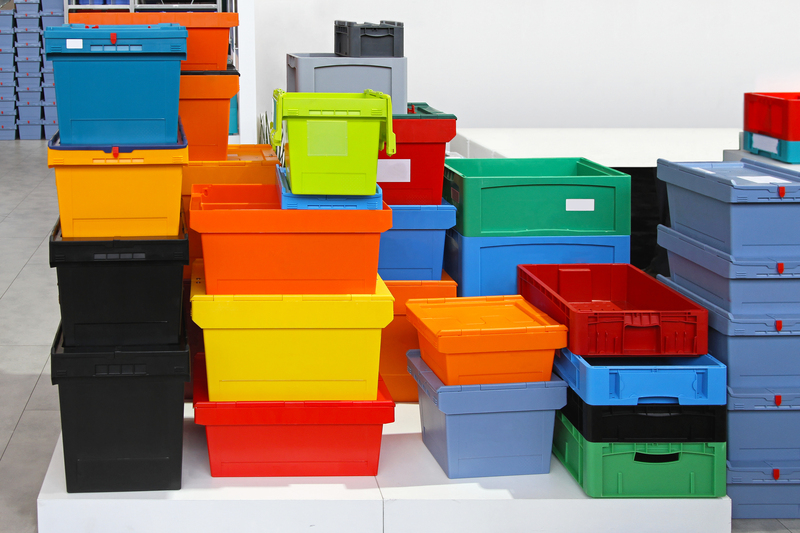
Packing has a major effect on how smoothly a move goes, especially when breakables, mixed room contents or awkwardly shaped items are involved. We can support moves that need help with packing and boxes, whether that means supplying suitable materials or using a more organised packing process ahead of the move. Careful packing protects household goods and also makes unloading easier because boxes can be grouped by room and weight.
Our packing and unpacking services are useful for customers who want more than basic transport. This type of support can reduce the pressure of doing everything in one day and can be especially practical where there are many small items, fragile pieces or a need to settle into the new property quickly. The work is planned around the contents you have, so the approach stays orderly rather than rushed.
Some items need a more considered method of handling than standard boxes and tape can provide. That includes glass, ornaments, framed pictures and belongings that are awkward to stack or carry. A sound packing process often starts with separating essentials from items that can wait until later, then wrapping and marking the more delicate pieces so they are easier to identify. Clear labelling and room grouping can save time at the other end of the move and help keep the unloading phase calm.
Furniture removals and larger household items
Furniture removals need an approach that balances speed with protection. Sofas, wardrobes, tables and beds can be difficult to move through tight turns or narrow hallways, so planning the route in advance matters. Our furniture removals service is suited to customers who want individual pieces or a larger set of items moved safely, with attention to lifting, securing and delivery arrangements.
Some households only need a single piece collected, which is where furniture pick-up can be helpful. That kind of work is often more straightforward when the item is already ready at the collection address and the access is clear. For other moves, larger furniture may need partial dismantling before transport. If that applies, the job can be planned with the right tools and a sensible sequence so pieces are handled in a way that suits their size and construction.
When furniture is being moved as part of a wider house or flat relocation, it helps to decide early which pieces are going and which are staying. That avoids confusion on the day and makes loading more efficient. Items that need particular care should be flagged in advance so they can be treated accordingly. If you are reviewing a broader move, our team can discuss how furniture and household contents fit into the same overall plan.
Smaller moves, local transport and flexible support

Not every job needs a full household move. Smaller relocations, single-item transport and flexible loading support can all be arranged through our removal options. The man and van style of service is often suitable when the volume is modest and the customer wants practical help with loading, transport and unloading rather than a large-scale removals package. It can be a straightforward way to move a few key items without overcomplicating the process.
If you are comparing flexible options, man with a van and man with van are useful pages to review alongside the wider removals overview. These pages help set expectations around the type of support that may be appropriate for lighter loads, partial moves or smaller domestic collections. The most suitable choice depends on the number of items, access points and the distance involved, rather than on a fixed category alone.
Useful preparation for this kind of work is simple: note what is being moved, whether any items are particularly heavy, and whether the destination has stairs, lift access or limited parking. If there is a time window to work within, mention that early so the job can be arranged sensibly. Practical details are often enough to shape a clear quotation, and they also help avoid last-minute uncertainty on moving day.
Office and commercial removals
Commercial moves have different priorities from domestic removals because business equipment, furniture and files often need to be moved in an organised sequence. Our office removals and office relocation services are intended for workplaces that need a structured transfer between addresses. The focus is on keeping the move orderly, so desks, chairs, storage units and other items can be relocated with minimal confusion.
For businesses with more complex layouts or multiple work areas, a sensible plan helps to separate what is essential from what can be moved later. That may include computers, office furniture, meeting-room items and boxed paperwork. Good labelling and room mapping can make the process easier because each item has a clear destination once it arrives. Where a move includes both furniture and smaller items, the order of loading can make a meaningful difference to how quickly everything is set up again.
Commercial customers often benefit from checking access at both properties, especially if there are shared entrances, loading restrictions or tighter operating hours. If the move includes confidential documents or specialist equipment, those points should be identified early so the work can be planned with suitable care. A well-prepared enquiry usually leads to a more accurate estimate and a smoother moving schedule.
Specialist items and careful lifting

Some removals involve items that need more than standard handling. A piano, for example, can require planning for weight, shape and route clearance, while other bulky or valuable belongings may need extra attention when navigating stairs or narrow doorways. Our piano removals page is relevant to customers who need a specialist approach for an item that cannot simply be treated like ordinary furniture.
We also handle heavier or awkward household pieces that benefit from methodical loading and unloading. This can include items that are difficult to turn, objects with delicate finishes or belongings that are best moved with a measured pace rather than hurried lifting. The aim is to match the method to the item, using careful handling so the move stays controlled from collection to delivery.
When a move includes specialist pieces, it is wise to mention dimensions, approximate weight and any access issues as part of the quotation request. That lets the job be planned properly and avoids assumptions that could complicate the day. If an item needs to be moved separately from the rest of the contents, that can often be arranged within the broader removal plan so everything still arrives where it should.
Storage, temporary holding and moving in stages
Some customers need a removal service that fits around timing gaps between addresses. In those cases, storage can be part of the moving plan. Our storage page is useful if you need to keep belongings safe for a short period or move in stages rather than all at once. This can be practical when completion dates do not line up neatly or when the new property is not ready for everything on the same day.
Staged moves often work best when the items going into storage are separated clearly from those needed immediately after the move. That means thinking ahead about essentials, seasonal belongings and furniture that will not be required straight away. A careful list helps because it reduces the chance of mixing urgent items with things that can stay packed for longer. The removal plan can then be built around what needs to travel first and what can wait.
If storage is likely to be part of your move, it is sensible to say so early in the enquiry. That allows the arrangements to be considered as one process rather than as separate jobs. In some cases, the removal and storage stages can be organised together, which can make the overall move feel more manageable. The key is to keep the sequence clear and the inventory accurate.
How to request a quotation

A useful quote starts with the facts that affect the work: what is being moved, where it is going, and any access points that might influence the loading or unloading. If you are ready to compare options, our contact us page is the place to start your enquiry, and pricing and quotes provides extra guidance on the estimate process. The more precise the details, the easier it is to match the service to the move.
You do not need to overcomplicate the request. A short note covering property type, item count, fragile belongings and preferred timing is usually enough to begin. If there are awkward corners, shared entrances or items that need dismantling, include those points as well. For larger jobs, a simple room-by-room summary can be helpful because it gives a clearer picture of the work involved without turning the enquiry into a long report.
Request a quotation when you are ready, and we will help shape a removal plan that fits your move in Tufnell Park. You can also use the other pages on this site to compare the service type that best suits your property, your items and the level of support you want. The next step is simply to send the details and let the moving arrangements be built around them.
About Tufnell Park
Tufnell Park is an area in north London that is generally associated with the London Borough of Islington and the London Borough of Camden, sitting close to the boundary between the two. It is best known today as a residential neighbourhood, but its character has been shaped by 19th-century suburban expansion and later urban change. The name refers both to the wider district and to the local Underground station on the Northern line, which helped reinforce the area’s identity in the late Victorian period. The station opened in 1907, although the surrounding neighbourhood had already been developing for decades before that. Streets around the district include a mix of terraces, mansion blocks and later infill, giving the area a varied urban grain rather than a single architectural style. The nearby Holloway Road and Caledonian Road corridors connect the district to surrounding parts of north London, while the local street pattern shows the influence of planned residential development on what was once more open land. Tufnell Park is also close to a number of larger landmarks and green spaces in the wider area, including Parliament Hill and Hampstead Heath to the west, and it sits within easy reach of the recreational and cultural life of Islington and Camden. The neighbourhood has long had a mixed social character, with housing that appeals to a range of residents and a built environment that combines everyday domestic streets with recognisable period architecture. As with many inner north London districts, the area’s identity has been shaped by transport links, local commerce and steady change over time rather than by a single defining monument.
Removal planning for busy streets and shared buildings
Moves in areas with terraced housing, mansion blocks or shared entrances often benefit from careful timing and practical loading arrangements. That is especially true when access has to be shared with neighbours or when parking space is limited. A clear moving plan reduces the chance of delays and makes it easier to position vehicles, protect items and work through the property in a steady order. Good coordination is not about making the move complicated; it is about keeping it efficient.
Our approach is to keep the service adaptable enough to suit different property types without losing sight of the main task: moving your belongings safely and in the right sequence. Where needed, we can support partial loads, larger household moves and furniture-only collections within the same general removals framework. This can be useful if you are moving in stages or if one part of the move needs to happen separately from the rest.
Before the day arrives, it is often worth checking whether doors, stairways or communal areas need extra care. Items can sometimes be grouped by room so that unloading stays organised, especially where several people are involved at the new property. A well-structured removal is usually less about speed alone and more about making sure each stage has a clear purpose. If you have that kind of move in mind, the quotation should reflect it accurately.
Choosing the right removals support
Choosing a removals service is easier when the job is described clearly from the outset. A full house move, a single furniture collection, a small van job or a commercial relocation all have different requirements, and the right option depends on those details. We can help assess the likely scope by looking at the contents, property type and any special handling needs, then shaping the work around those practical points.
If you are still deciding, it may help to compare the main service pages for the type of move you are planning. That might include household moving, furniture transport, packing support or a smaller flexible collection. The better the match between your needs and the service chosen, the easier it is to keep the move straightforward. Clarity at the start usually saves time later because it reduces uncertainty about what needs to be done and when.
When you are ready to proceed, send the details and ask for a quotation. A short, accurate description of the move is the most helpful starting point, and it allows the right plan to be set out without guesswork. If you want assistance with removals in Tufnell Park, the final step is simply to make the enquiry and confirm what you need moved.